Lufthansa adds Columbus–Frankfurt route in push beyond major US gateways
The three-times-weekly service launching in May 2027 will connect central Ohio with Lufthansa’s Frankfurt hub, targeting business and leisure demand.
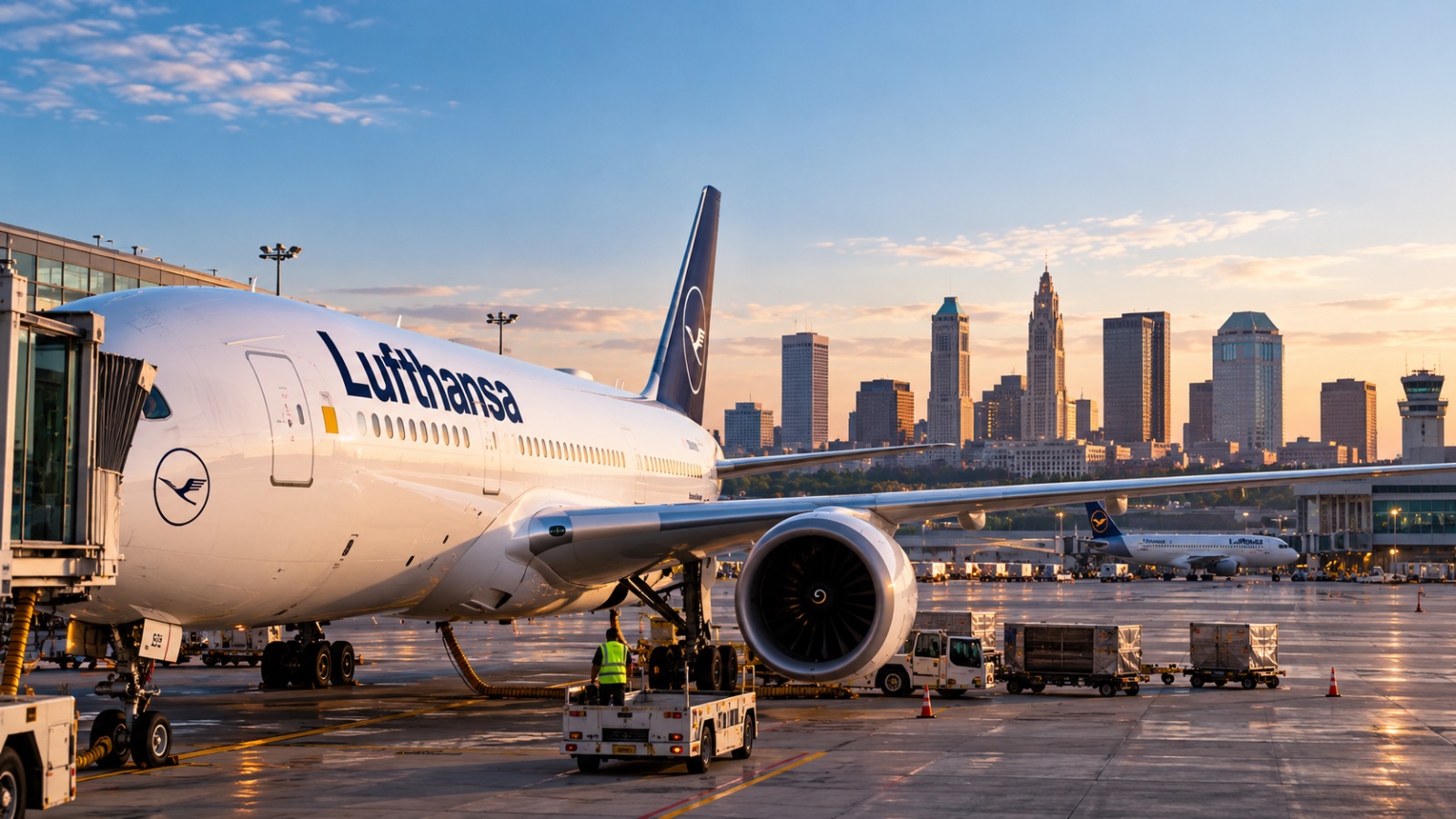
Lufthansa will launch nonstop flights between Columbus, Ohio, and Frankfurt on May 5, 2027, adding a regional US gateway to its transatlantic network and giving central Ohio its first direct connection to Europe.
Announced on October 19 with the Columbus Regional Airport Authority, JobsOhio and One Columbus, the service will operate three times a week. Aviacionline reports that the initial schedule runs through October 20, with flights on Wednesdays, Fridays and Sundays. The partners describe it as Ohio’s only nonstop connection to Germany.
For Lufthansa, the route extends its reach beyond the largest American airports in a market its management identifies as central to the group’s international business. For Ohio, it provides a direct link to Germany’s business base and onward access through Frankfurt to more than 130 destinations across Europe, the Middle East, Africa and India.
A business case rooted in German investment
The economic-development partners are positioning the connection around existing commercial ties, rather than tourism alone. According to the JobsOhio announcement, 38 German-based companies operate in the Columbus region. Statewide, more than 750 German-owned business establishments support approximately 41,000 jobs.
Germany is Ohio’s third-largest source of international investment, behind Japan and Canada, the announcement says. Ohio businesses also exported nearly $1.4 billion in goods to Germany in 2023. Those relationships provide a corporate-travel base for the route, although the partners have not disclosed passenger-demand forecasts or company travel commitments.
The direct flight removes a connecting leg for travelers between central Ohio and Frankfurt. The hub’s onward network also makes the service relevant to companies whose European operations extend beyond Germany. Local partners expect the route to improve access for international investors, visitors and talent, supporting their broader efforts to attract business to the state.
“The launch of this route is an important step in our continued expansion in the United States, our most important market outside the Lufthansa Group’s home markets,” Dirk Janzen, the group’s vice president of passenger sales for the Americas, said in the announcement.
Premium cabins on a seasonal schedule
Lufthansa plans to deploy Boeing 787-9 Dreamliners with its Allegris cabin interiors. Each aircraft will have 287 seats: 28 in business class, 28 in premium economy and 231 in economy. The configuration accommodates both corporate and leisure passengers, with lie-flat seats in business class.
The announced schedule is seasonal rather than year-round, and three weekly departures offer less flexibility than a daily service. Its immediate competitive distinction is the nonstop Germany link, coupled with access to Lufthansa’s Frankfurt network, rather than frequency.
Columbus is part of a wider US expansion for summer 2027. According to Rus Tourism News, Lufthansa will also launch Munich–Phoenix on August 3, operating three weekly Airbus A350-900 flights. Both additions extend the airline’s network beyond its established major US gateways.
Regional support helps lower launch risk
JobsOhio says the Columbus route builds on its Air Service Restoration program, which works with airports, regional organizations and airlines to establish services considered important to economic development. Under the program, JobsOhio and regional partners share revenue guarantees intended to reduce airlines’ risk when opening routes.
The supplied announcement does not disclose the financial terms of support for Lufthansa’s service. It nevertheless illustrates the role regional economic-development organizations can play in attracting international capacity: the airline gains access to a new catchment area, while the region gains infrastructure intended to strengthen its investment proposition.
For European companies operating in or considering Ohio, the practical gain is a shorter travel chain to central Ohio. Whether that access develops into a more frequent or year-round service remains outside the announced plans.