Avio signs Lockheed motor deal as it builds US manufacturing base
The Italian propulsion company’s agreement opens a route into two US Army missile programs, with its first American factory scheduled to start production in 2029.
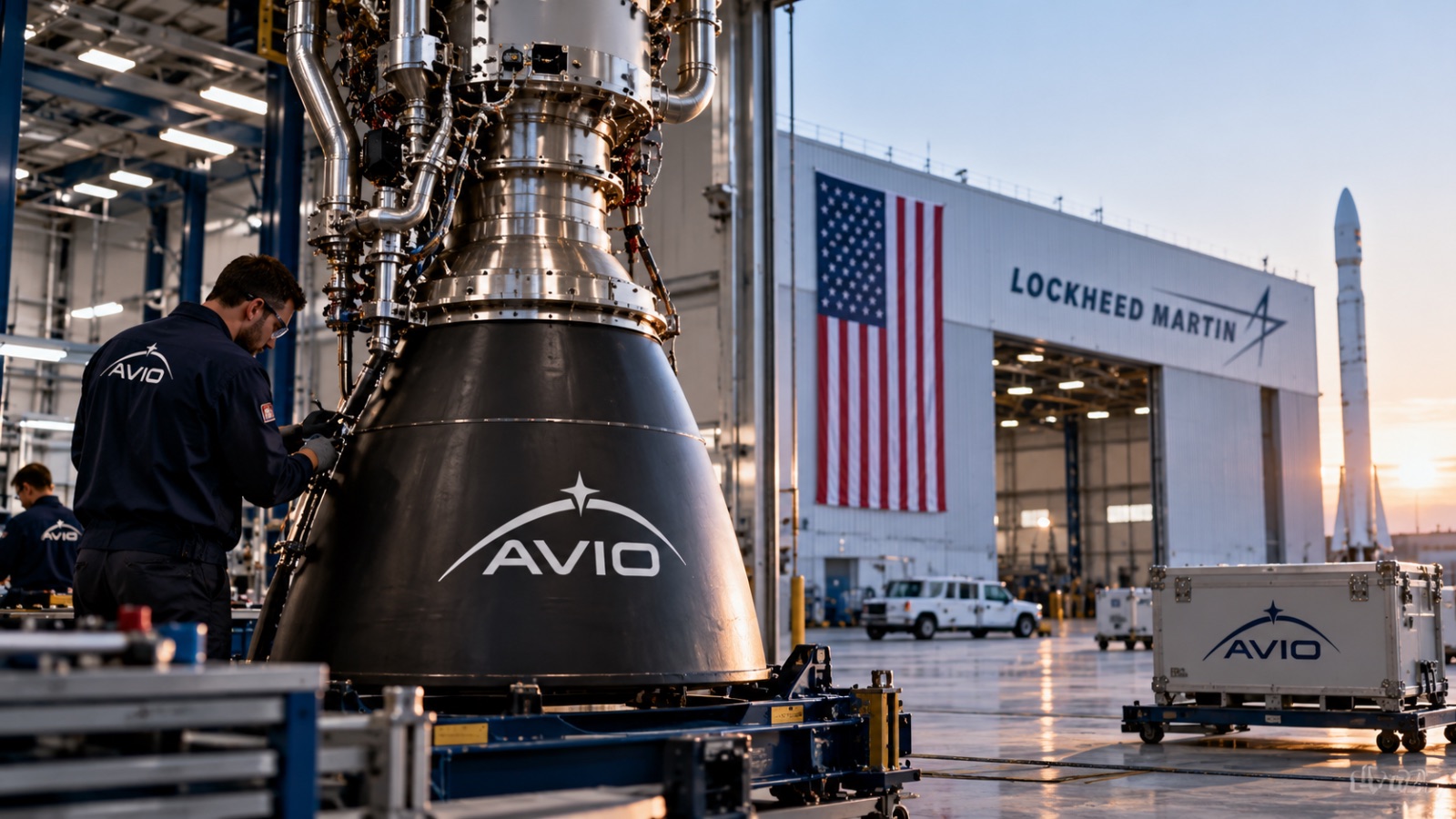
Italy’s Avio has signed a strategic cooperation agreement with Lockheed Martin to build and qualify solid rocket motors for two US Army weapons programs, giving its American expansion a route into a concentrated defense supply market.
Announced on October 13, the agreement covers the Extended Range Guided Multiple Launch Rocket System, or ER GMLRS, and the Precision Strike Missile, known as PrSM. Once its motors are qualified, Avio USA would become a second motor source for PrSM and an additional source for ER GMLRS, according to Breaking Defense.
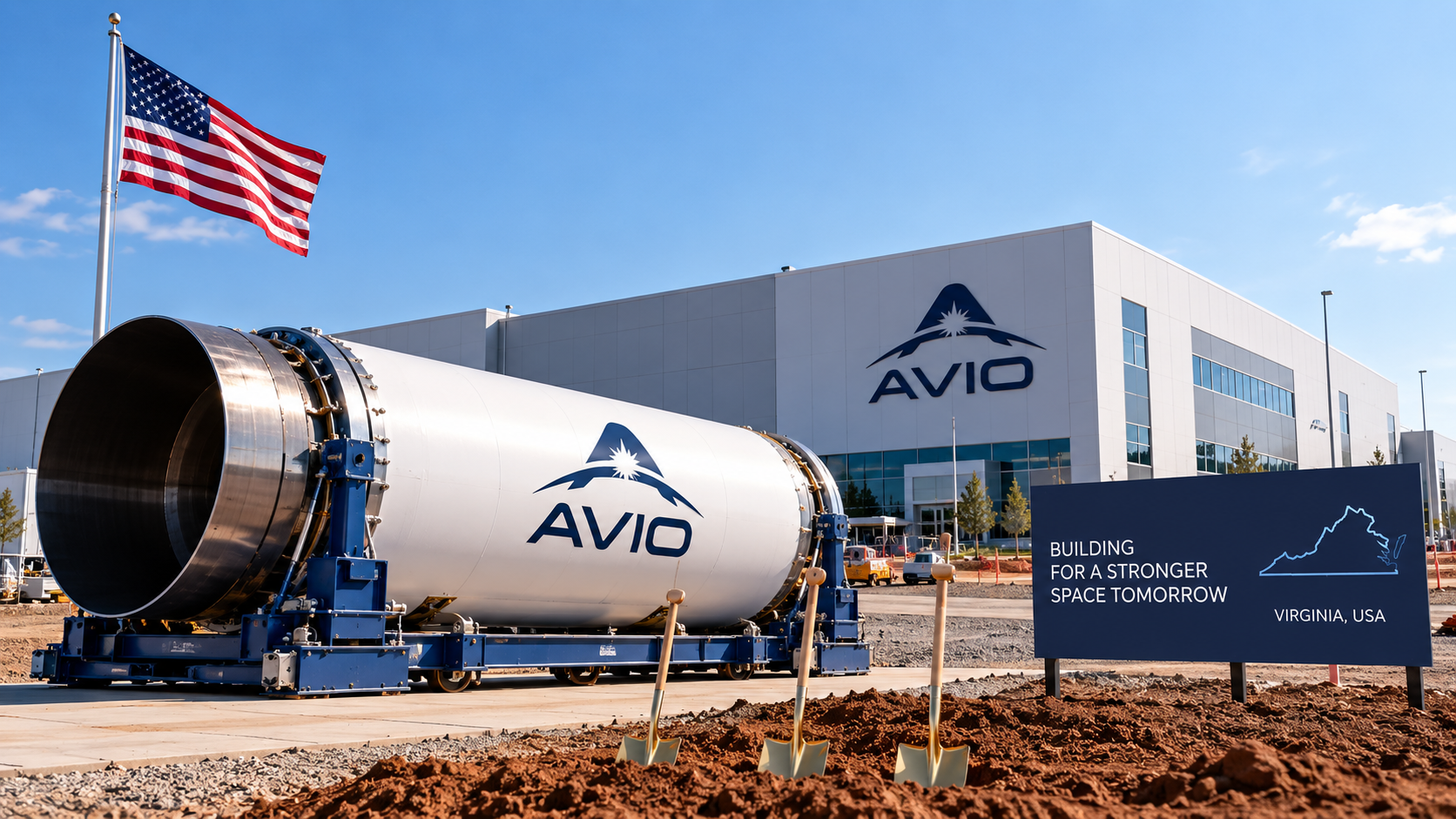
The deal links Avio’s established European propulsion business to its first US manufacturing plant, now under construction in Hurt, Virginia. The 900,000-square-foot facility broke ground in September and is scheduled to begin making motors in 2029. That makes the agreement a step toward future supply diversification rather than an immediate increase in missile output.
Securing future capacity
“They’re essentially reserving capacity,” Avio USA chief executive Jim Syring told Breaking Defense. “It’s a win for us and it’s a win for Lockheed.”
For Lockheed, the strategic value is a broader supply base for propulsion systems that have historically constrained munitions production. Decades of consolidation left L3Harris and Northrop Grumman as the two established domestic solid rocket motor providers. New entrants including Anduril, Ursa Major and X-Bow are developing and testing motors, but qualification can take years.
Tim Cahill, president of Lockheed Martin’s Missiles and Fire Control business, described a reliable and diverse motor supply chain as fundamental to strengthening the defense industrial base. Aviation Week reported that Lockheed framed the agreement as a way to improve supply resilience, add capacity and accelerate manufacturing, without providing a specific program timeline.
The qualification requirement is central: Avio has a pathway to becoming a regular supplier, but the agreement does not mean its US-made motors are already approved for either weapon.
Transferring European expertise
Avio is entering the US market as an experienced European manufacturer rather than a propulsion start-up. Its existing weapons work includes solid rocket motors for Aster, Aspide and the Common Anti-air Modular Missile Extended Range, according to Aviation Week.
Avio chief executive Giulio Ranzo said the company had launched an investment of more than $500 million in new US solid rocket motor capacity, with the aim of becoming a merchant supplier to multiple defense customers. The Lockheed agreement fits that broader strategy rather than an expansion built around a single customer.
Syring said the American subsidiary intends to make components including cases and nozzles in-house, following its parent’s approach. That would reduce its dependence on an already strained supplier network and carry an established manufacturing model into the Virginia operation.
Workforce development is another part of the transfer. Access to mechanics, electricians and welders helped attract Avio to southern Virginia, Syring said. Those workers will still need specialist training, with plans to send employees to the parent company’s Italian factory for three to four months of practical instruction.
A manufacturing build-out still ahead
Avio has begun ordering raw materials, including steel, and plans to purchase long-lead equipment such as industrial mixers, ovens and X-ray machines by the end of 2026, Syring told Breaking Defense.
Its prospective US business also extends beyond Lockheed. Avio is conducting engineering work on the Mk104 motor used in Raytheon’s Standard Missile family, with a critical design review scheduled for spring 2027. Together, the programs show the scope of its supplier ambitions; delivering on them will require completing the Virginia plant, training its workforce and qualifying the motors.