Legora raises $550m at $8.8bn valuation as US becomes its largest market
The Swedish legal AI company has secured an Atreides-led Series E to fund international expansion and product development as American customers drive its growth.
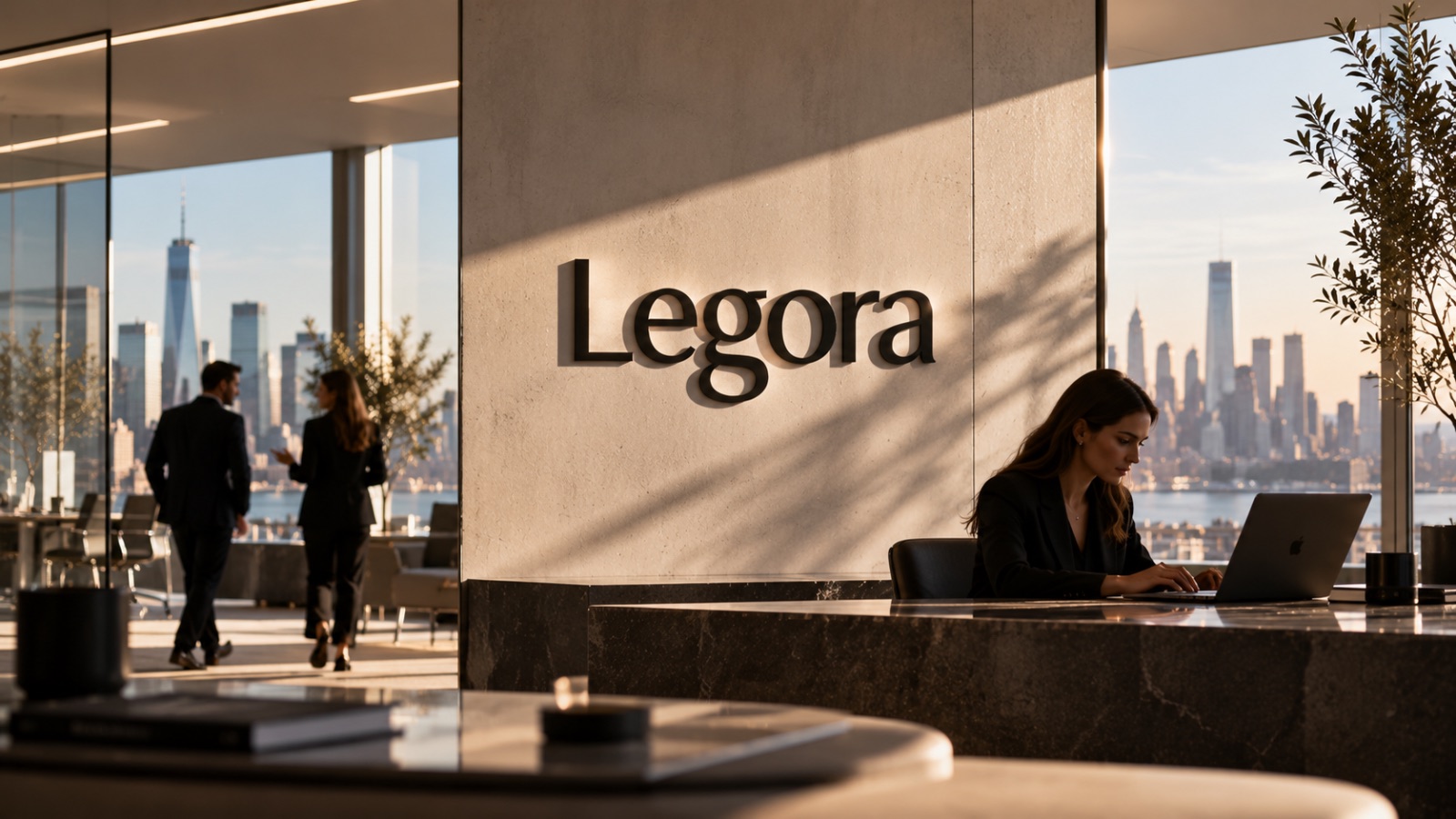
Stockholm-based legal AI company Legora has raised $550 million at an $8.8 billion post-money valuation, securing fresh capital for international expansion after the United States became its largest market by revenue. US investor Atreides Management led the Series E round, announced on October 21.
The financing will support growth across North America, Europe and Asia-Pacific, alongside further development of Legora aOS, its agentic operating system for legal professionals. The valuation is up from $5.6 billion in the company’s previous funding round.
For Legora, the American expansion is no longer chiefly a market-entry exercise. The company says more than half of the Am Law 50 use its technology, despite its first US office opening only in spring 2025. The new funding gives it resources to deepen that position while broadening its customer base beyond law firms.
From Stockholm to a five-city US footprint
Founded in Stockholm in 2023 under the name Leya, the business launched commercially in October 2024 and rebranded as Legora in 2025. Its first US office opened in New York in March 2025, according to Crypto Briefing. It has since added offices in Denver, Chicago, Houston and San Francisco.
Its wider North American footprint also includes Toronto and Mexico City. Globally, Legora now employs more than 1,000 people across 18 offices, according to company figures reported by Lawyer Monthly.
The company says more than 140,000 legal professionals use its software across more than 2,400 law firms and in-house legal teams in over 80 markets. Those figures describe its global business; the supplied reports do not break out US revenue, staffing or customer numbers beyond its penetration of the Am Law 50.
The distinction matters for assessing the expansion. The US is already Legora’s largest revenue market, but the funding is intended for several regions rather than an exclusively American rollout. No US-specific allocation of the proceeds was disclosed in the supplied reports.
Revenue growth attracts institutional capital
New investors in the round include Baron Capital, Capital Group, Fidelity Management & Research Company, Glade Brook Capital Partners and J.P. Morgan. Existing backers including Accel, Benchmark and Salesforce Ventures also participated.
Legora says annual recurring revenue now exceeds $200 million. According to Lawyer Monthly, the company reported growing ARR from $1 million to $100 million in less than 18 months, then adding the next $100 million in less than six months. ARR is a recurring-revenue measure, rather than a statement of annual recognised revenue or profitability.
The financing therefore backs a business reporting substantial commercial adoption, not simply an early product launch. For its US strategy, the combination of existing large-law-firm customers and a multi-city presence provides a base from which to pursue further growth.
A broader contest for legal workflows
Legora’s product strategy centres on AI agents handling multi-stage legal workflows, including research and document drafting, rather than only answering individual questions. Planned development areas include legal research, horizon scanning and agentic intake. Its platform also connects with iManage, a document management system used by law firms.
The buyer mix is changing alongside the product. In-house legal teams accounted for more than 40% of new customers in the third quarter, according to the company, compared with only a small share of its customer base a year earlier.
That shift expands Legora’s opportunity beyond selling tools to external counsel. Corporate legal departments are becoming buyers of the same platform, potentially influencing which tasks remain in-house and which go to law firms. With the US already its largest revenue market, Legora’s next phase is about extending its role in legal work—not simply establishing an American presence.