CSG qualifies for US Army’s $4.2bn ammunition-plant modernisation framework
The Czech group’s MSM North America subsidiary can compete for projects across seven Army facilities, but selection carries no guaranteed orders.
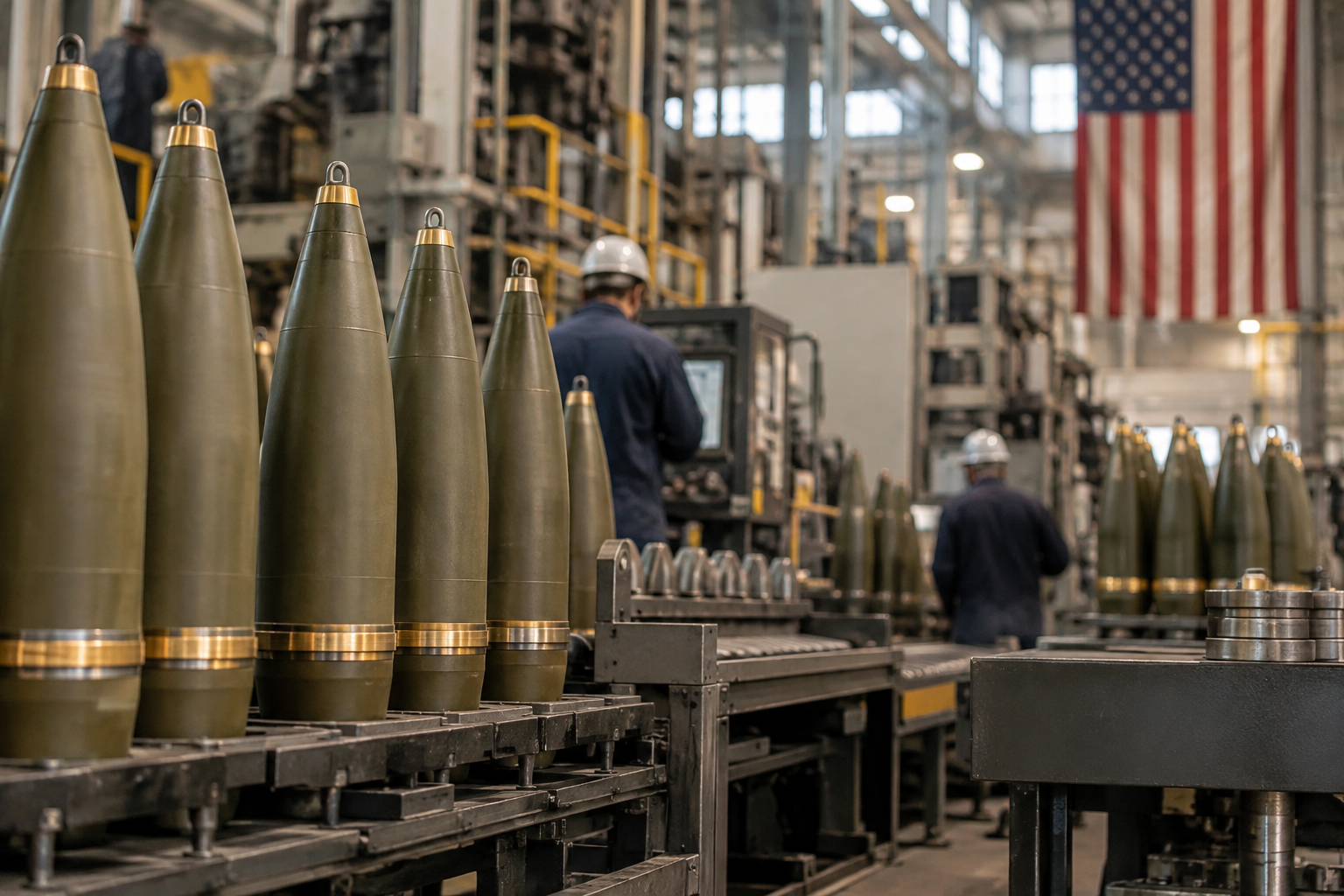
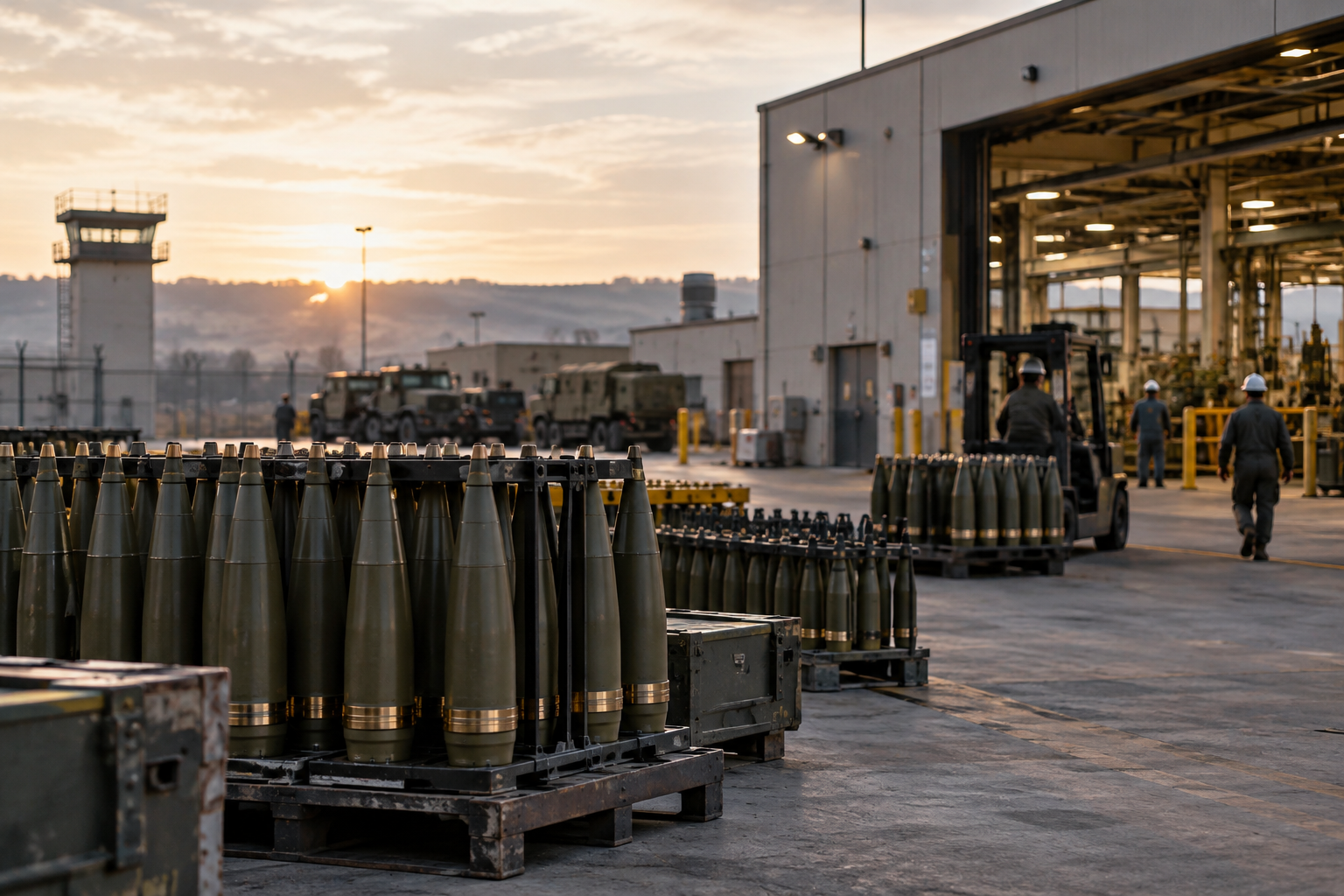
Czech defence and industrial technology group CSG has secured a place on a US Army procurement framework for modernising ammunition plants, giving its subsidiary MSM North America access to competitions under a five-year programme with a total ceiling of about $4.2 billion.
The selection is a qualification to bid, not a $4.2 billion contract award to CSG. The ceiling covers all selected contractors, and the Army will award individual projects through subsequent competitive processes. No specific volume of work is guaranteed to MSM North America.
For CSG, the significance is a broader route into US defence manufacturing infrastructure. The framework builds on an existing Iowa project and creates opportunities to apply the group’s ammunition-production expertise to the design, construction and commissioning of American factories—not simply to supplying finished munitions.
A framework spanning seven facilities
Managed by Army Contracting Command–Rock Island, the Multiple Award Task Order Contract, or MATOC, covers government-owned, contractor-operated ammunition facilities. Under this structure, the Army establishes a pool of qualified companies that can compete for individual task orders as requirements develop.
Potential assignments include designing and building production facilities, upgrading existing lines, introducing advanced technologies and automation, and commissioning new capacity. The programme also includes activities related to operating and maintaining industrial infrastructure.
Its scope reaches across several stages of ammunition manufacturing, from explosives and propellants to metal components and final assembly. The seven facilities covered are:
- Holston Army Ammunition Plant in Tennessee, which specialises in military explosives.
- Radford Army Ammunition Plant in Virginia, which produces propellants and other energetic materials.
- Lake City Army Ammunition Plant in Missouri, a small-calibre ammunition production centre.
- Iowa Army Ammunition Plant, which fills and assembles medium- and large-calibre ammunition.
- Scranton Army Ammunition Plant in Pennsylvania, which manufactures metal components for artillery ammunition.
- Quad City Cartridge Case Facility in Illinois, which produces large-calibre cartridge cases.
- Milan Army Ammunition Plant in Tennessee.
The upgrades are intended to increase capacity, efficiency and safety while improving production technology. That makes the programme an industrial-capacity initiative rather than a single ammunition purchase, with individual projects shaped by the Army’s evolving requirements.
Building on an Iowa foothold
According to Euro2day’s report, MSM North America’s selection followed its successful delivery of the Future Artillery Complex project in Iowa, awarded to the company in 2025. That earlier assignment provides a US project reference as the subsidiary seeks further Army work.
MSM North America chief executive Jason Gaines described the framework selection as part of a long-term effort to become a trusted Army partner. He pointed to the Iowa project as evidence of the company’s ability to manage complex industrial work alongside the Army and technology partners.
Jan Marinov, chief executive of CSG Defence Systems, highlighted the group’s experience across the ammunition production chain, from energetic materials to finished products. His argument is that combining manufacturing knowledge with industrial-project delivery gives CSG a competitive advantage in pursuing factory-modernisation work.
Access secured; orders still to follow
The move fits CSG’s wider internationalisation. The group, also known as Czechoslovak Group, has expanded through acquisitions in Europe and the United States. In August 2026, it appointed defence industry veteran Ben Hudson as board vice-chairman, following his arrival as CSG Land Systems chief executive and group chief technology officer.
The Army framework gives that international business a defined channel for pursuing further US infrastructure work. But qualification is only the first commercial step: MSM North America must now win task orders against other selected contractors. Those awards, rather than the headline programme ceiling, will determine the scale of CSG’s resulting US expansion.