Fermat raises $8m for New York office and push into fashion production
The Barcelona fashion AI company plans to establish a US presence as it launches Techpacks, building on a market that already generates a third of its revenue.
Barcelona-based fashion AI platform Fermat has raised $8 million in seed funding to open a New York office and extend its software into garment production through a new tool called Techpacks. Kibo Ventures and Lunar Ventures led the round, with participation from London-based PROfounders Capital.
The US expansion follows existing commercial demand rather than a move into an untested market. A third of Fermat’s revenue already comes from the United States, despite the company having no employees on the ground, co-founder and chief executive Pol Baladas told Trending Topics.
Masia, Blue Wire Capital, Common Magic, Betaworks and technology entrepreneur Dídac Lee also participated in the financing. Fermat says its revenue has tripled since the start of 2026, although the report did not provide an absolute revenue figure or a valuation.
A US office follows the customers
Founded in 2022, Fermat serves more than 350 customers across 14 countries, according to Trending Topics. Its customer list includes J.Crew Group alongside European fashion businesses ASOS, New Look, s.Oliver and Spain’s Tendam, giving the company a transatlantic base before establishing a physical US presence.
That revenue mix makes New York a significant operational step. Fermat is seeking to put a local presence behind a market already responsible for a substantial share of its business, while broadening what it sells to fashion teams. The report does not specify an office opening date, planned US headcount or how much of the funding will go toward the expansion.
The current platform combines AI models built for fashion. Designers can turn sketches and moodboards into realistic renders, test materials and variations, and visualize garments before producing physical samples. Fermat says its team is split roughly evenly between fashion designers and engineers.
Its European customer base provides evidence of use within established retailers. “Fermat transforms our sampling process from weeks to minutes,” ASOS head of digital product creation Nick Eley said in comments reported by Trending Topics. He said designers could share their vision with suppliers without first producing physical samples.
Moving beyond design images
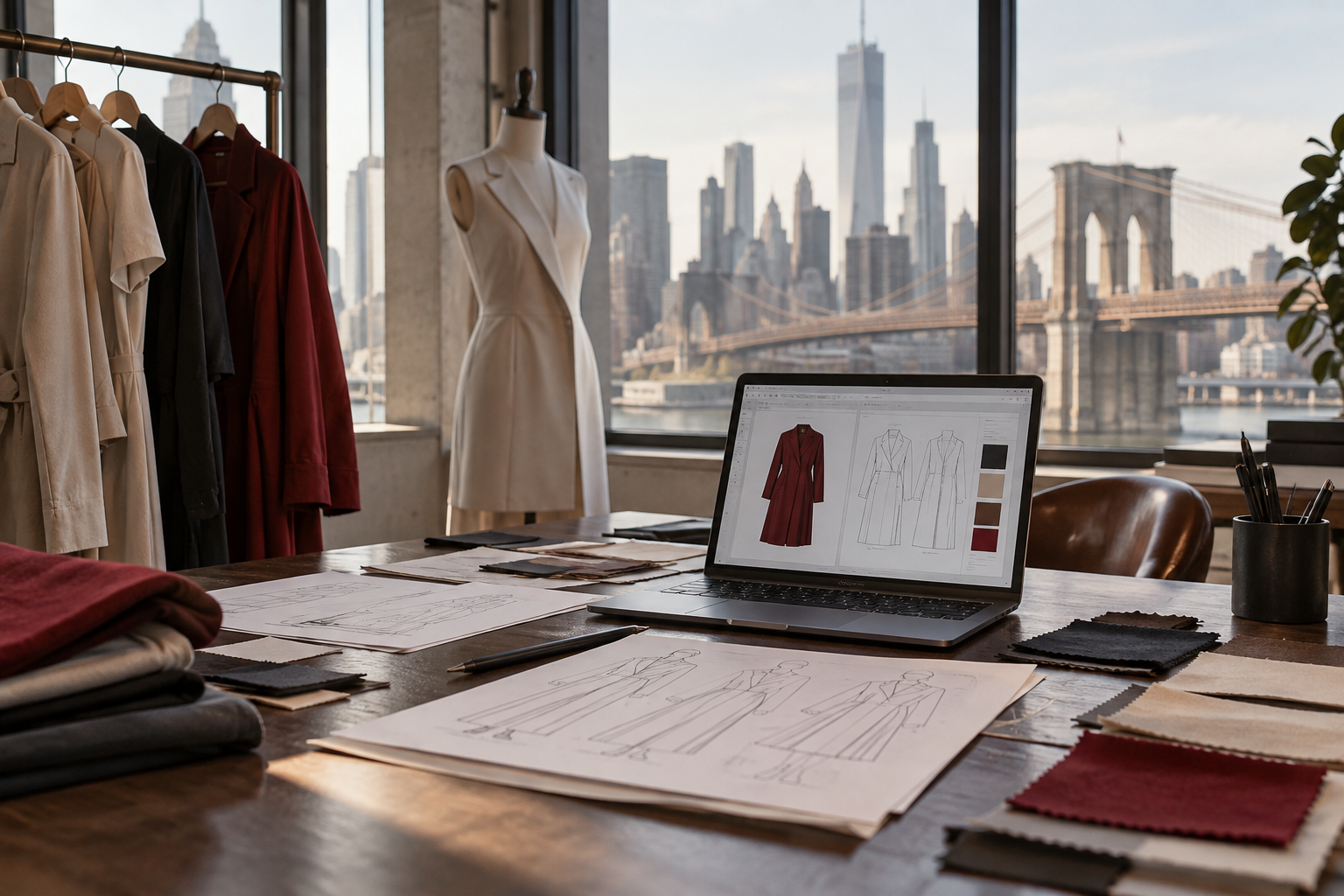
Techpacks is Fermat’s first step toward supporting production. The tool turns designs into factory-ready specifications, generating technical flats, construction details, measurements, bills of materials and colorways in seconds, according to the report. It targets the handoff between a brand’s creative team and the manufacturers that make its garments.
The distinction matters to Fermat’s strategy: producing an image of a garment and documenting how to manufacture it are different tasks. Adding production specifications would extend the platform’s role beyond visual development into the information suppliers need to execute a design. The reported speed and readiness of those outputs remain product claims, rather than independently established performance measures.
Customers cited in the report say the existing software saves hundreds of hours across design and marketing and reduces reliance on physical samples, while retaining control over data, designs and intellectual property. Techpacks seeks to carry that efficiency proposition further along the development process.
Two expansion bets
Kibo Ventures partner Jordi Vidal pointed to rapid growth, near-zero customer churn and adoption within major brands starting with individual designers as reasons for backing Fermat. Those are investor assessments, but they indicate the commercial model the round is intended to support.
Fermat is now pursuing geographic and product expansion together. The New York office would establish a local foothold in an existing revenue market; Techpacks would give the company a broader role in customers’ workflows. The next test is whether its traction in AI-assisted design translates into sustained use closer to the factory floor.