BASF opens $1 billion Louisiana plant to expand US chemicals production
The German chemicals group says its Geismar expansion nearly doubles local MDI capacity and makes it North America’s largest producer of the polyurethane raw material.
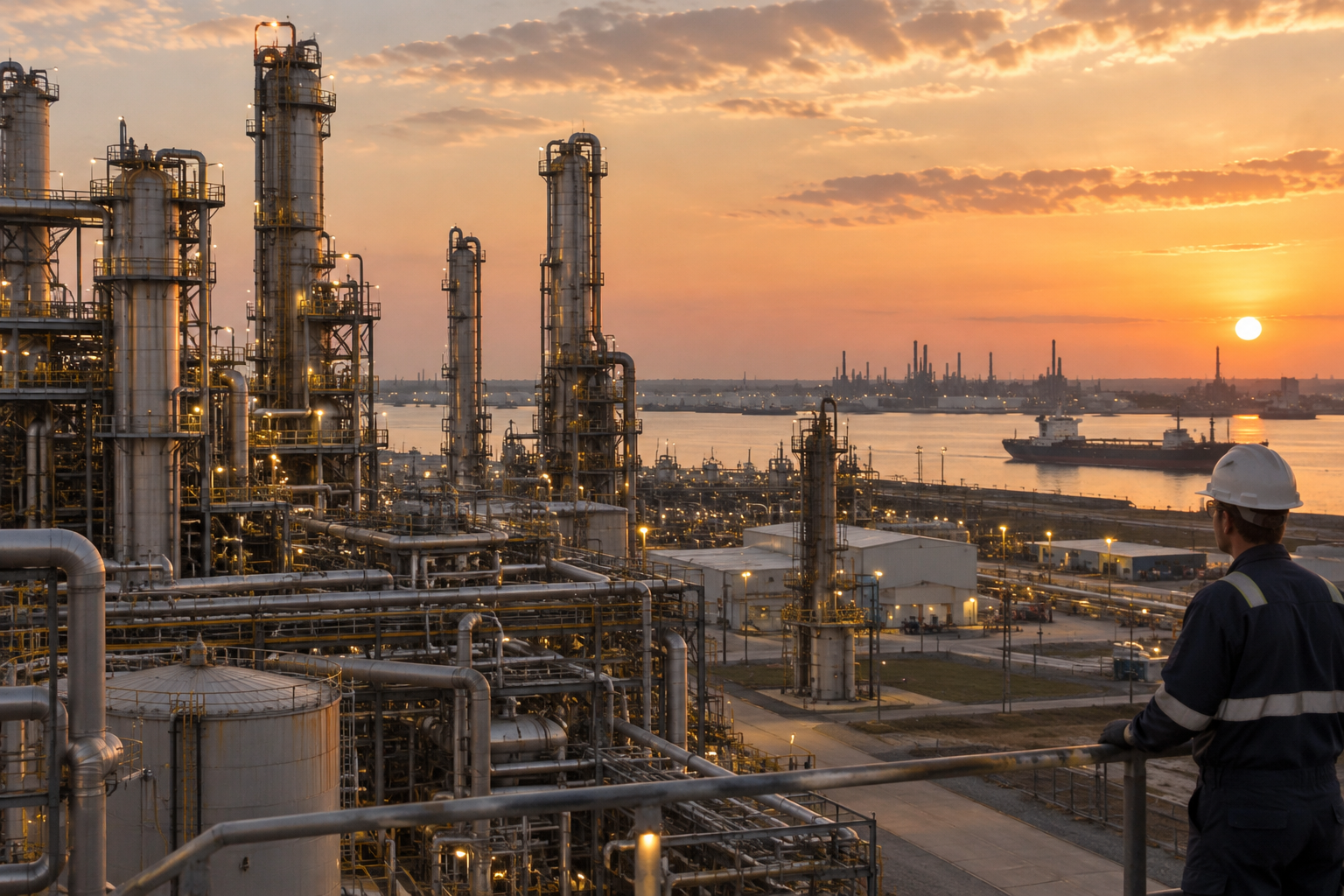
BASF inaugurated a new chemicals production facility in Geismar, Louisiana, on November 11, completing an approximately $1 billion expansion that the German group describes as its largest wholly owned investment project in North America to date.
The project almost doubles the site’s annual capacity for methylene diphenyl diisocyanate, or MDI, to about 600,000 metric tons. BASF says the expansion makes it the largest MDI producer in North America, strengthening its position in a material used across construction, appliances, automotive manufacturing and other industries.
For the Ludwigshafen-based company, the opening is an expansion of an established US manufacturing network rather than an entry into a new market. Geismar has hosted BASF operations for decades and is already its largest integrated production site in the United States.
More capacity close to customers
MDI is a key raw material for polyurethanes, plastics used in applications ranging from thermal insulation to lightweight construction. BASF says the additional output will support customers in construction, appliances, transportation, automotive, footwear and furniture, tying the investment to several industrial and consumer markets rather than a single end use.
“The United States has long been a key market for BASF, and this $1 billion investment is a strong commitment to our customers and to our future here,” chief executive Markus Kamieth said at the inauguration.
“With our new world-scale MDI facility in Geismar, we are strengthening our core businesses, driving innovation and bringing more production closer to our customers,” he added.
The strategic emphasis is on both scale and local supply. BASF is adding capacity within an existing integrated site, where it says shared infrastructure, raw-material supply and operational synergies support production. Its claim to regional MDI leadership gives the project a competitive significance beyond the increase in Louisiana output, although the announcement provides no market-share figures or competitor comparisons.
An expansion eight years in the making
The investment was executed in three phases beginning in 2018. A new MDI synthesis unit was commissioned in 2020, followed by expansions of several upstream units in 2021. The final phase added further upstream units and a splitter. BASF said the project was completed on time.
That sequence matters: the inauguration marks the completion of a multi-year expansion of the Geismar production system, not simply the addition of an isolated plant. According to BASF, the new capabilities increase production flexibility and strengthen its ability to supply MDI competitively in North America.
The company also increased aniline production capacity at Geismar. It said this strengthens the site’s integrated value chain and creates additional availability for North American customers in agricultural chemicals, rubber, dyes and pigments. BASF did not specify the size of that capacity increase.
Deepening an already substantial US business
BASF operates more than 150 locations across 40 US states. In 2025, its US sales were €13.1 billion, with approximately 90% coming from products manufactured in the country, according to the company. Group sales were around €60 billion that year, underscoring the weight of the American business.
The Louisiana investment therefore reinforces a model already heavily based on domestic production. Its significance lies less in establishing a US presence than in expanding the manufacturing capacity behind that presence and serving regional customers from a larger local production base.
BASF’s investment case rests on continued polyurethane demand. Ramkumar Dhruva, president of its Monomer Division, described the project as reflecting confidence in the market’s continued growth. The announcement does not quantify that expected growth; the concrete change is the substantial increase in capacity now available at Geismar.